
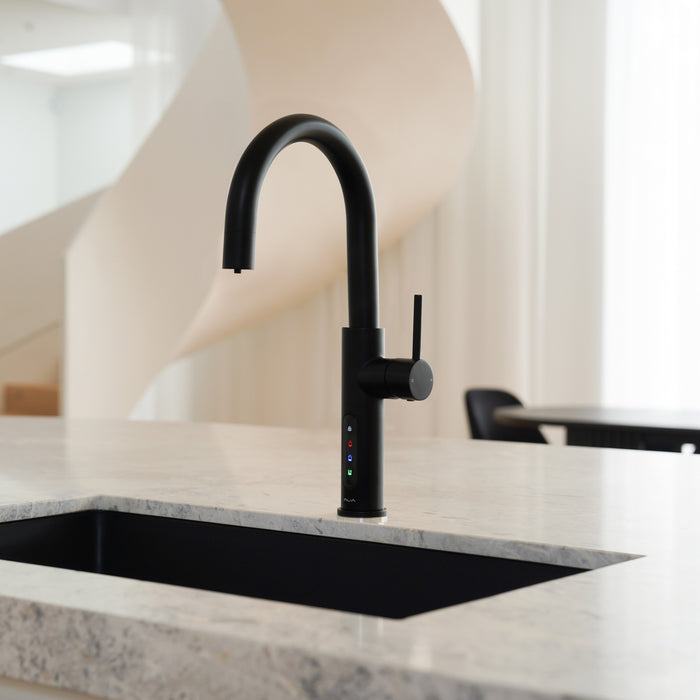
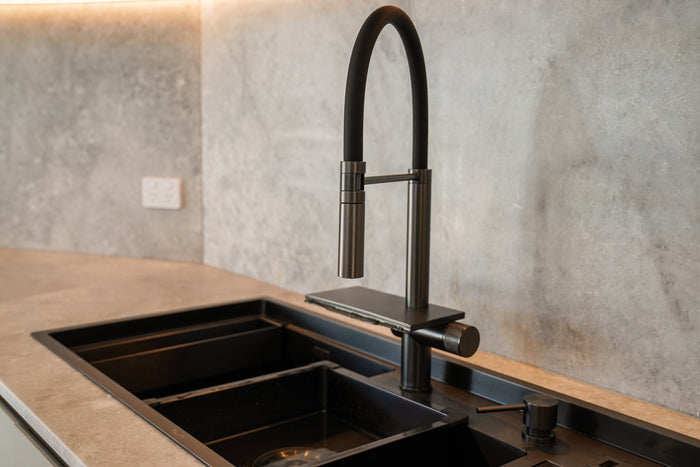
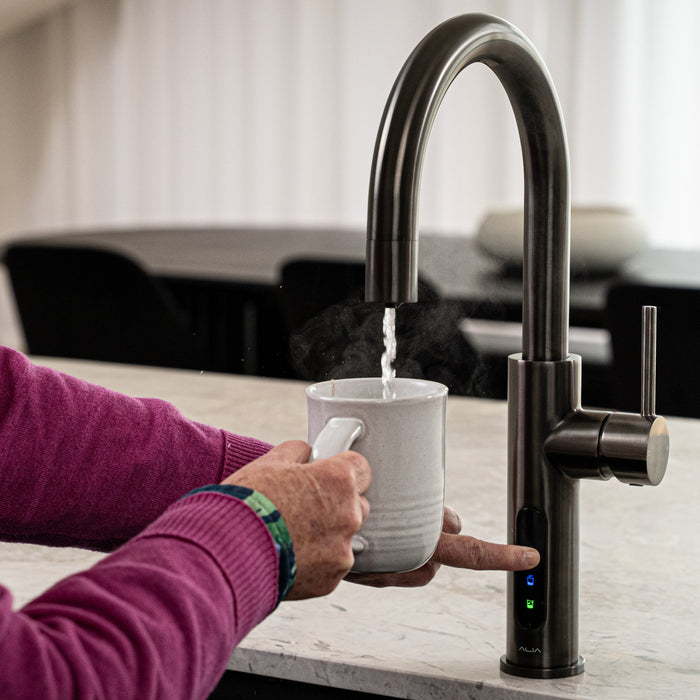
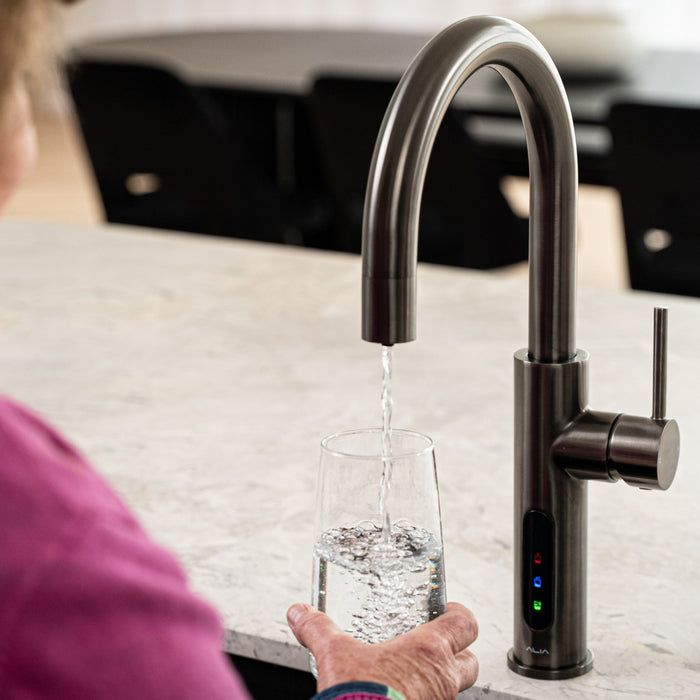
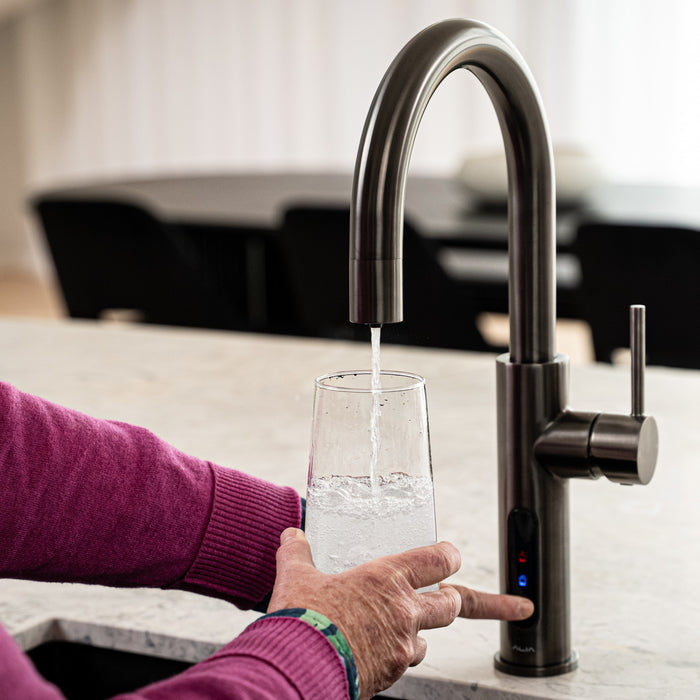


An instant hot water tap is one of the smartest upgrades you can add to your kitchen. It gives you boiling water in seconds, no kettle required. But because you are dealing with near-boiling water at the press of a button, knowing how to use an instant hot water tap safely is just as important as picking the right model.
The good news is that modern instant hot water taps are designed with safety at their core. From child-proof handles to insulated spouts and automatic shut-off features, these taps are built to protect your family. Still, a few simple habits can make sure you and your household stay safe every single day.
In this guide, we walk you through everything you need to know about using your instant boiling water tap safely, from the built-in safety features to daily best practices and maintenance tips.
How Does an Instant Hot Water Tap Work?
Before we cover safety tips, it helps to understand how these taps actually work. An instant hot water tap connects to a compact boiler tank that sits under your kitchen bench. This tank is plugged into a standard power point and connected to your cold water supply.
The tank heats a small amount of water (usually between 2 and 7 litres) to near-boiling temperature and keeps it ready for when you need it. When you activate the boiling water handle, hot water flows through the tap instantly. The tank then refills and reheats automatically.
Because the tank is small and well-insulated, it uses very little energy on standby. The water inside never quite reaches a full rolling boil, which is actually a safety advantage. Most taps dispense water at around 98 to 99 degrees Celsius, which gives you a smooth, controlled stream instead of spluttering, bubbling water.
Built-In Safety Features of Instant Hot Water Taps
Quality instant hot water taps come loaded with safety features. Understanding what these features do will help you use your tap with confidence.
Child-Safe Handle and Safety Lock
This is the most important safety feature on any boiling water tap. The boiling water function requires a specific action to activate, usually a push-and-turn motion or a spring-loaded button that must be held down while dispensing. This design makes it nearly impossible for a child to accidentally turn on the boiling water.
When you let go of the handle or release the button, the boiling water stops immediately. There is no way for it to be left running by accident. This is a major safety improvement over a traditional kettle, which can be knocked over or pulled off the bench by a curious child.
Insulated Spout
Even when boiling water is flowing through the tap, the outside of the spout stays cool to the touch. The spout is designed with thermal insulation so that accidental contact with the tap will not cause burns. This is especially important in busy kitchens where people are moving around near the sink.
Controlled Water Flow
Boiling water taps deliver a steady, controlled stream of hot water. Unlike a kettle that can splash and spit, the flow from the tap is smooth and predictable. Most taps also use a slightly lower water pressure for the boiling function, which reduces the risk of splashing.
Step-by-Step: How to Use Your Instant Hot Water Tap Safely
Using a boiling water tap is simple, but following the right steps every time keeps everyone safe.
Step 1: Position your cup or pot first. Always place your mug, cup, or pot directly under the spout before you activate the boiling water. This prevents you from reaching across or under the stream of hot water.
Step 2: Activate the safety lock. Press the safety button or engage the child lock mechanism. On most taps, you need to push a button and then turn the handle at the same time. The boiling water will only flow while you are actively holding the mechanism.
Step 3: Dispense only what you need. One of the best things about an instant hot water tap is that you use exactly the amount of water you need. No overfilling, no waste. Fill your cup or pot and then release the handle.
Step 4: Release the handle to stop. As soon as you let go of the safety button or handle, the boiling water stops flowing. There is no delay. This instant shut-off is one of the biggest safety advantages over kettles and stovetop heating.
Step 5: Switch to regular water if needed. Most modern taps are multi-function. After using the boiling function, you can switch to regular hot and cold water or chilled filtered water using the standard tap controls.
If your tap also offers chilled and sparkling water, like our sparkling water taps, the cold and sparkling functions operate on separate controls and do not require a safety lock.
Instant Hot Water Tap Safety Tips for Families with Children
If you have young children in the home, a boiling water tap is actually safer than a kettle. But it still pays to follow a few extra precautions.
Teach children about the tap early. Even though the child lock prevents accidental use, it is a good idea to explain to children that the tap can produce very hot water. Make it clear that the boiling function is for adults only.
Keep the area around the tap clear. Do not leave step stools or chairs near the kitchen sink where a child could climb up and reach the tap. The safety lock is designed to stop accidental use, but keeping children away from the tap is always the safest approach.
Never leave boiling water unattended. If you are filling a pot or bowl with boiling water, stay by the tap until you are done. Never walk away while the boiling function is active.
**Choose a tap with proven safety features.** Not all boiling water taps are created equal. Look for models with spring-loaded safety handles, insulated spouts, and controlled flow. Our instant hot cold water taps collection features taps with multi-layer safety designed for Australian families.
Maintenance Tips to Keep Your Tap Safe and Working Well
A well-maintained tap is a safe tap. Regular upkeep ensures that all the safety features keep working as they should and that your water stays clean and fresh.
Replace your water filter on schedule. Most instant hot water taps use a built-in filtration system to remove chlorine, sediment, and other impurities. The filter should be changed every 6 to 12 months, depending on your water quality and usage. A blocked or old filter can affect water pressure and taste.
Clean the tap head regularly. Wipe down the spout and handle with a soft cloth and mild detergent. Do not use abrasive cleaners or scourers, as these can damage the finish and the insulated coating. In areas with hard water, check for limescale buildup around the spout and clean it gently.
Inspect the under-bench tank. Every six months or so, take a quick look at the boiler tank and connections under the sink. Check for any signs of leaks, loose fittings, or unusual noises. If something looks off, contact a qualified plumber or the manufacturer for advice.
Do not tamper with internal components. The boiler tank and electrical connections should only be serviced by a licensed professional. Never attempt to open the tank, adjust the thermostat, or modify the electrical wiring yourself. This protects both your safety and your warranty.
If you are upgrading your kitchen setup, pairing your tap with a smart sink can give you a seamless, modern workspace that is easy to clean and maintain.
Are Instant Hot Water Taps Safer Than Kettles?
This is one of the most common questions homeowners ask, and the answer is yes, instant hot water taps are generally safer than traditional kettles.
A kettle sits on your bench filled with boiling water. It can be knocked over. It can be pulled off the bench by a child grabbing the cord. The lid can come loose and splash hot water. Steam burns are common when pouring from a full kettle. These are everyday risks that most people accept without thinking about them.
An instant hot water tap removes all of these risks. The boiling water is stored in a sealed, insulated tank under the bench, completely out of reach. The tap only dispenses hot water when the safety lock is engaged. The spout is insulated so it does not get hot. The flow is controlled and splash-free. And the moment you release the handle, the water stops.
For households with children, elderly family members, or anyone with limited mobility, an instant hot water tap is the safer choice. There is no heavy kettle to lift, no risk of spilling, and no exposed boiling water sitting on the bench.
What to Do If Someone Gets Scalded
Even with all the safety features, accidents can happen in any kitchen. Knowing how to respond to a scald burn is important for every household.
Remove from the heat source immediately. If someone is in contact with hot water, move them away from the tap and turn off the boiling water function right away.
Cool the burn under running water. Hold the affected area under cool (not ice-cold) running water for at least 20 minutes. Do not use ice, butter, or any ointments on the burn.
Remove clothing and jewellery near the burn. If clothes are stuck to the skin, do not pull them off. Cut around the stuck area if needed.
Cover with a clean dressing. Once the burn has cooled, cover it with a sterile, non-stick dressing or a clean cloth. Avoid wrapping it too tightly.
Seek medical attention if needed. For burns larger than a 20-cent coin, burns on the face, hands, or joints, or if the skin is blistered or broken, visit a doctor or call emergency services.
Choosing a Safe Instant Hot Water Tap for Your Home
When shopping for an instant hot water tap, safety should be at the top of your checklist. Here is what to look for:
-
Child-proof safety handle with push-and-turn or spring-loaded mechanism
-
Insulated spout that stays cool to the touch during use
-
Controlled, splash-free water flow at a consistent temperature
-
Built-in water filtration for clean, safe drinking water
- Compliance with Australian safety and electrical standards
At Alia Global, all our taps are designed with these features as standard. Browse our full collections to find the right tap for your kitchen, or explore our instant chilled water taps and designer basins to complete your kitchen and bathroom upgrade.
Final Thoughts on Instant Hot Water Tap Safety
Using an instant hot water tap safely comes down to understanding how it works, using the built-in safety features correctly, and keeping up with basic maintenance. These taps are engineered to be safer than kettles, more convenient than stovetop heating, and more energy-efficient than both.
For Australian families, an instant hot water tap is a practical and safe upgrade that makes daily kitchen life easier. Pair it with quality kitchen fixtures like a smart sink or a smart toilet and you have a home that is modern, safe, and built for comfort.
Ready to upgrade? Explore our full range of all products at Alia Global and find the perfect instant hot water tap for your home.
Frequently Asked Questions
1. Can children accidentally turn on a boiling water tap?
No, quality instant hot water taps are designed with child-safe mechanisms that prevent accidental activation. Most models require a specific push-and-turn motion or a spring-loaded button that must be held down the entire time water is flowing. This two-step action is difficult for young children to figure out or activate by accident.
The moment you release the handle, the boiling water stops immediately. This makes boiling water taps significantly safer than kettles, which can be knocked off the bench, pulled by a cord, or left sitting full of hot water within reach of children.
2. Is the spout of a boiling water tap hot to touch?
No. High-quality instant hot water taps are built with insulated spouts that remain cool to the touch even while boiling water is flowing through them. The insulation is designed to prevent accidental burns from touching the outside of the tap.
This is another area where boiling water taps are safer than kettles. A metal kettle gets extremely hot during and after boiling, and the steam from the spout can also cause burns. With an insulated tap, neither the exterior nor the steam poses a risk.
3. How often should I replace the filter in my instant hot water tap?
Most manufacturers recommend replacing the water filter every 6 to 12 months. The exact timing depends on your local water quality, water hardness, and how often you use the tap. Some taps have an indicator light that tells you when the filter needs changing.
Keeping the filter fresh is important for both safety and performance. An old or clogged filter can reduce water flow, affect the taste, and allow scale to build up inside the tank. Replacement filters typically cost between $50 and $180, depending on the brand and model.
4. Do I need a plumber to install an instant hot water tap?
While some handy homeowners can install a boiling water tap themselves, it is recommended to use a licensed plumber, especially in Australia. Professional installation makes sure that all water and electrical connections are safe, secure, and compliant with local standards.
A typical installation takes just a few hours and involves connecting the tap to your cold water supply, mounting the boiler tank under the bench, and plugging it into a power point. If your benchtop is stone or marble, a stonemason may be needed to drill the tap hole. Proper installation is the first step to safe, long-term use.
5. What should I do if my instant hot water tap starts leaking?
If you notice any water leaking from the tap, the connections, or the under-bench tank, turn off the tap and disconnect the power immediately. Do not attempt to fix a leak yourself, as this involves both plumbing and electrical components.
Contact a licensed plumber or the manufacturer's service team to inspect and repair the issue. In most cases, leaks are caused by loose fittings, worn seals, or pressure buildup, all of which are straightforward for a professional to fix. Regular inspections every six months can help you catch small issues before they become bigger problems.