


ALIA Environmental Impact Calculator
Estimated Environmental Savings
Estimated Carbon Impact & CO₂ Offset Equivalents
How this calculator works — methodology & sources (for reference only)
Figures marked "modelled estimate" combine two or more cited sources together with an assumption Alia has made explicit in the numbered list below. Source data, methodologies, and emission/equivalency factors may be updated, superseded, or corrected over time without notice. If you require verified information about the environmental performance of a specific product, please contact Alia Global directly.
- Bottle CO₂ avoided (82.8 g per 500 mL bottle): published bottled-water carbon footprint life cycle study, North American 500 mL format (cradle-to-consumer).
- Plastic avoided (~12 g per bottle): industry PET bottle lightweighting reports; average single-use 500 mL bottle weight typically falls in a 9.5–13 g range depending on brand and year.
- Landfill volume avoided (~0.5 L per bottle): geometric estimate of an uncompacted 500 mL PET bottle's physical volume — treat it as indicative only.
- Kettle energy use (0.114 kWh per litre boiled): UK Energy Saving Trust estimate of ~0.2 kWh to boil a full kettle (~1.75 L).
- Instant boiling tap saving vs. kettle (up to 50%): independent comparisons of insulated instant-boiling taps vs. kettles, which avoid the energy lost to overfilling and repeat reheating. Modelled estimate — actual savings depend on household kettle habits and excludes the tap's own standby/manufacturing energy.
- Grid electricity emissions factor (0.66 kg CO₂e/kWh): Australian Government (DCCEEW) National Greenhouse Accounts Factors, national weighted average. State factors vary substantially (Tasmania ≈0.20, Victoria ≈0.78) — this calculator uses the national figure as a single default.
- Sparkling water CO₂ retained (~20% of bottled-sparkling baseline): based on a Carbon Trust (UK) finding that home carbonation of tap water reduces the carbon footprint by roughly 80% relative to store-bought sparkling water in virgin PET bottles, with the remainder attributed to CO₂ canister production and refill logistics. Modelled estimate.
- Car travel equivalent (0.251 kg CO₂ per km): US EPA, average passenger vehicle emits ~400 g CO₂ per mile.
- Tree CO₂ absorption (60.6 kg CO₂ per tree over 10 years): US EPA Greenhouse Gas Equivalencies Calculator seedling methodology (1 metric ton CO₂ ≈ 16.5 tree seedlings grown for 10 years).
- Flight time equivalent (90 kg CO₂ per passenger-hour): carbonindependent.org estimate for a long-haul flight (Boeing 747-400 class aircraft).
- Standard toilet baseline (12 L per flush): Australian Government energy.gov.au, describing a typical old single-flush toilet.
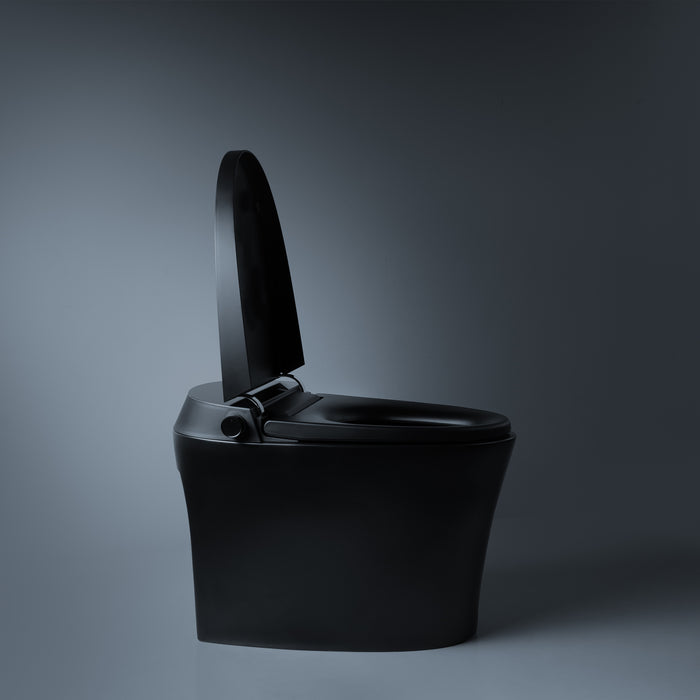
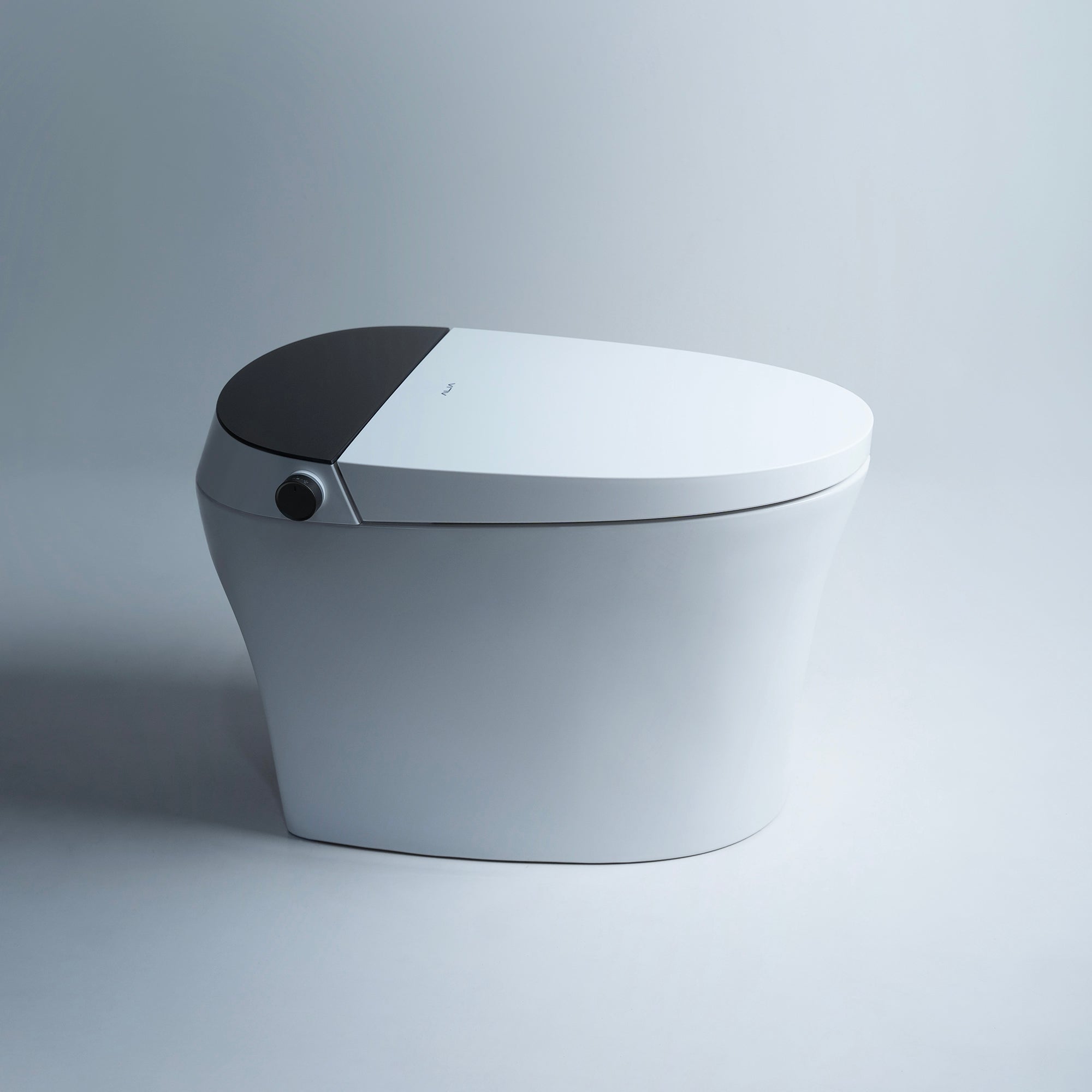
- Alia Smart Toilet flush volume (3.2 L average): Alia's own published WELS (Water Efficiency Labelling and Standards) certification, Water Rating Licence No. 2106, measured under standard WELS test conditions.
- Flushes per day (4): Australian Government water-efficiency guidance default assumption (one full flush plus several half flushes per person per day).
- Embodied carbon of mains water supply (~0.5 kg CO₂e per kL): indicative mid-point of the range typically reported by Australian water utilities for the energy used in sourcing, treating, and pumping potable water (commonly cited in the order of 0.2–1.0 kg CO₂e/kL). General indicative figure, not specific to any one water authority.
For reference only — not advice, not a guarantee. This calculator is provided by Alia Global for general informational and illustrative purposes only, to explain the assumptions behind the potential environmental impact of Alia's products. It does not constitute professional, scientific, environmental, engineering, financial, or legal advice, and must not be relied upon as such, nor treated as a guarantee, warranty, or certification of any product's environmental performance.
Estimates only, based on public third-party research — Alia has not commissioned an independent, third-party-verified life cycle assessment (LCA) of this product. Every coefficient below is drawn from a named, publicly available third-party source rather than an unverified internal assumption. However, none of these sources are specific to Alia's own products, and no figure shown should be treated as an independently verified measurement of any specific product.
Actual results will vary based on factors including household usage patterns, local water quality and pressure, electricity grid composition, installation, and individual behaviour, and may differ materially — in either direction — from the estimates shown.
To the maximum extent permitted by applicable law, Alia Global Pty Ltd, its related entities, officers, employees, and agents make no representation or warranty, express or implied, as to the accuracy, currency, completeness, or reliability of any information, assumption, or calculation presented in this tool, and accept no liability for any loss, damage, cost, or expense of any kind (including direct, indirect, incidental, or consequential loss) arising out of or in connection with any reliance placed on this calculator. This tool does not form part of, and should not be understood as, any offer, warranty, or contractual term relating to the sale of any Alia Global product.
Ready to Make the Switch?
Join thousands of Australian homes and businesses reducing plastic waste and CO₂ emissions with Alia's premium water filtration and sustainable fixtures.


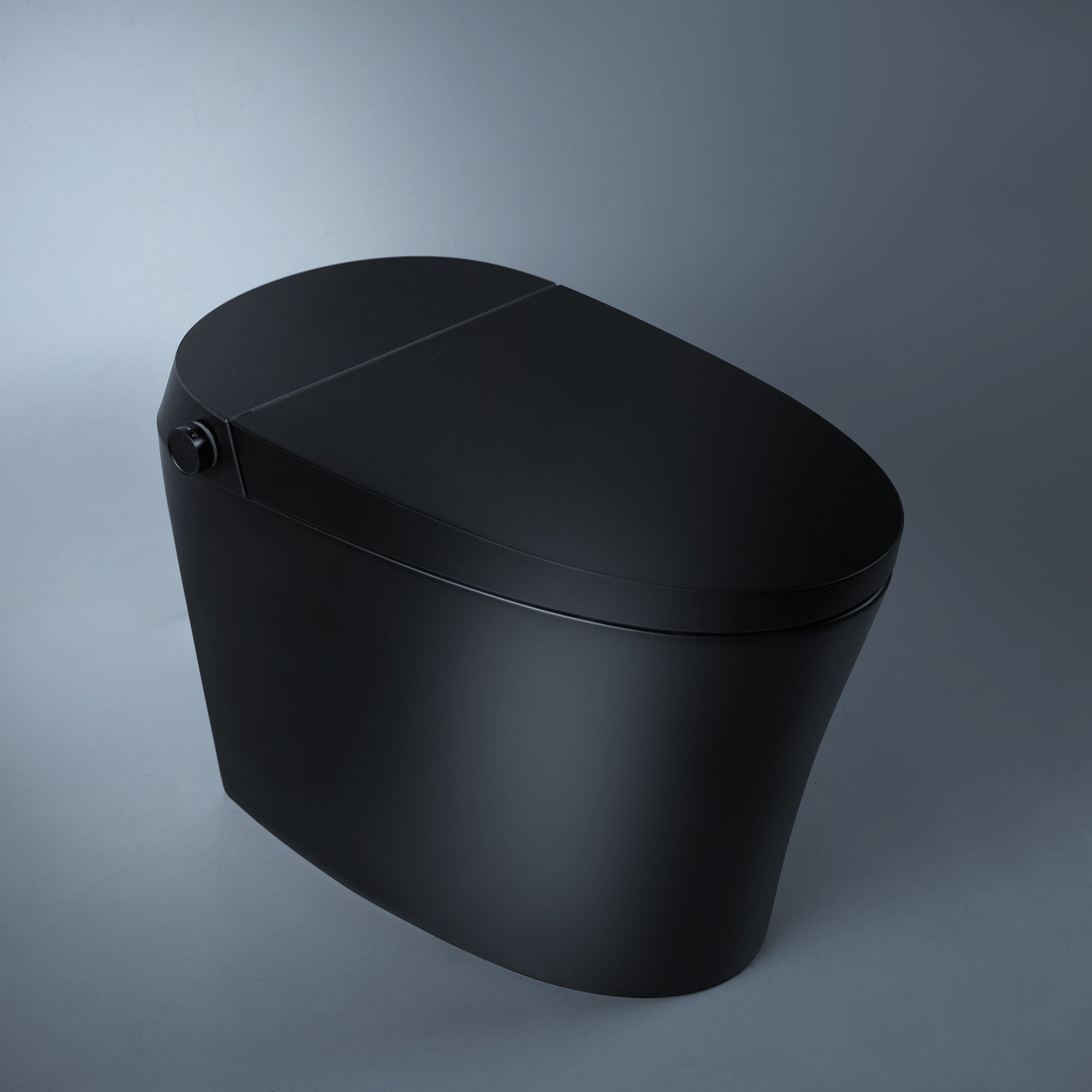
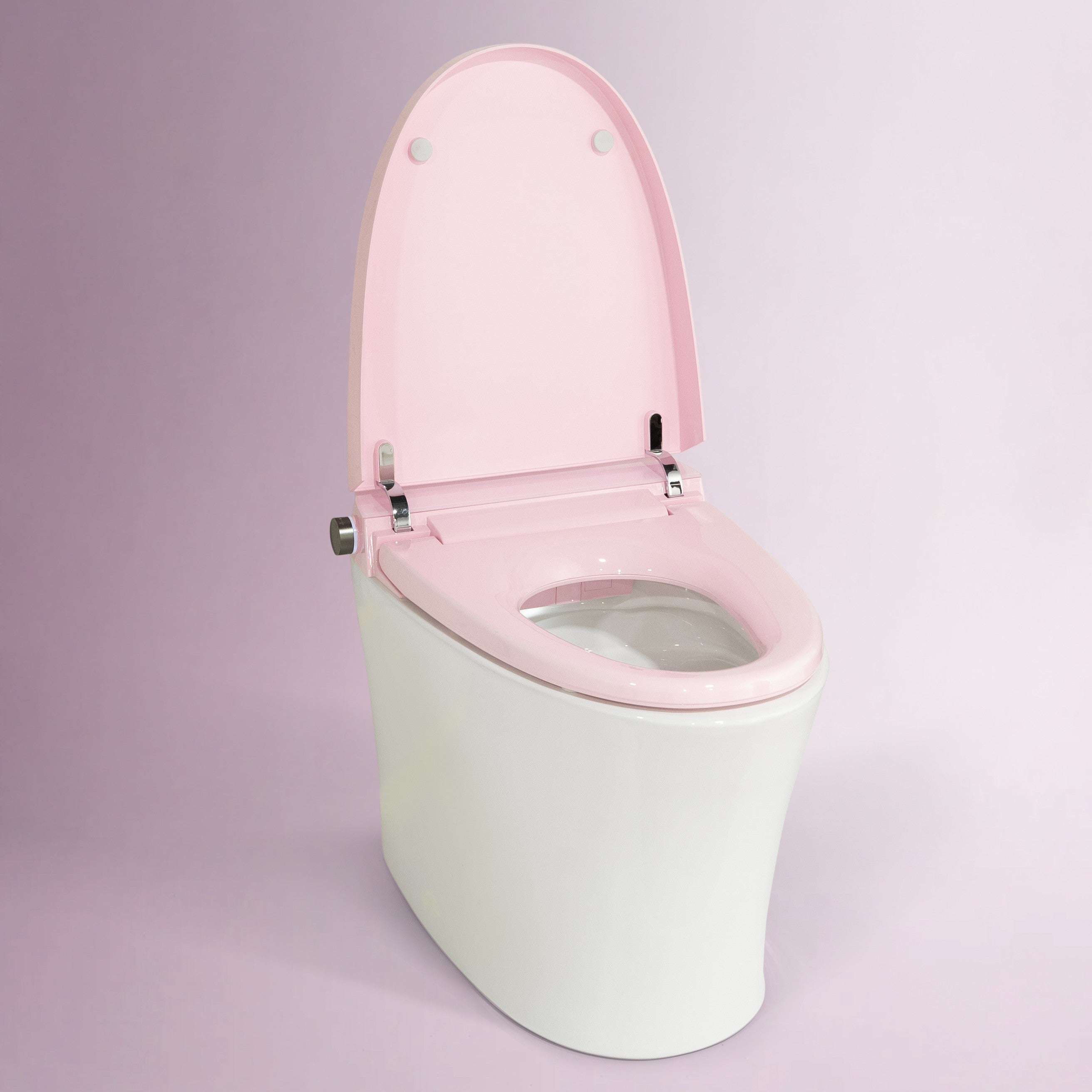

Choose Alia Global for Sustainable Water Solutions in Australia
Every Alia Global product, from filtered kitchen taps and under-sink water filters to smart toilets, is designed to help Australian households cut plastic waste and reduce their environmental footprint. Explore our range of sustainable, eco-friendly water and bathroom solutions today.