


On this page
Whether a smart toilet is worth the price comes down to how much value a household places on integrated bidet washing, a heated seat, and hands-free hygiene features that a standard toilet cannot offer at any price. A smart toilet costs considerably more upfront than a conventional suite, and it adds an electrical requirement and higher water pressure specification to the installation. For households that use those features daily, particularly where accessibility, hygiene or comfort genuinely matter, the case is strong. For a rarely used guest bathroom, it is harder to justify. This guide works through what a smart toilet actually delivers, what it costs to run, and where the value case holds up in 2026.
Key Takeaways
- A smart toilet combines an integrated bidet, heated seat, warm air dryer and automated flushing in one fixture, replacing functions that would otherwise need separate add-ons.
- The upfront cost is the main barrier, though it removes the ongoing cost of toilet paper and the need for a separate bidet attachment or heated seat retrofit.
- Installation requires both a power supply and adequate water pressure, so the total cost includes electrical work where no powerpoint exists nearby.
- The value case is strongest in a main or primary bathroom used daily, and for households with accessibility, mobility or hygiene needs that a standard toilet does not address.
- Alia Global's AG-ST1000 smart toilet is priced at $3,300 and includes a heated seat, warm air dryer and adjustable water temperature, each across six settings.
What Is a Smart Toilet, and What Does It Actually Do?
A smart toilet is a fixture that integrates electronic bidet washing, seat heating and automated functions into the toilet itself, controlled by a panel or remote. The category sits above both a standard toilet suite and a retrofitted bidet seat, since the technology is built into the fixture at manufacture.
The core feature set across most smart toilets on the Australian market includes an integrated bidet wash with adjustable water temperature and pressure, a heated seat, and a warm air dryer. Beyond these, models differ in what they add, from self-cleaning nozzles and automatic lid opening to deodorisation and night lighting.
Alia's AG-ST1000, for example, provides a heated seat adjustable from 30°C to 38°C across six levels, a warm air dryer running 30°C to 50°C across six levels, and wash water temperature adjustable from 30°C to 38°C, also across six levels. That level of granularity is what separates a purpose-built smart toilet from a basic bidet attachment.
How Much Does a Smart Toilet Cost in Australia?
Smart toilet pricing spans a wide range depending on feature set, brand and build quality, from entry-level imported units through to premium integrated fixtures. Prices vary considerably by supplier and specification, so the only reliable figure for any particular model is the one published against it.
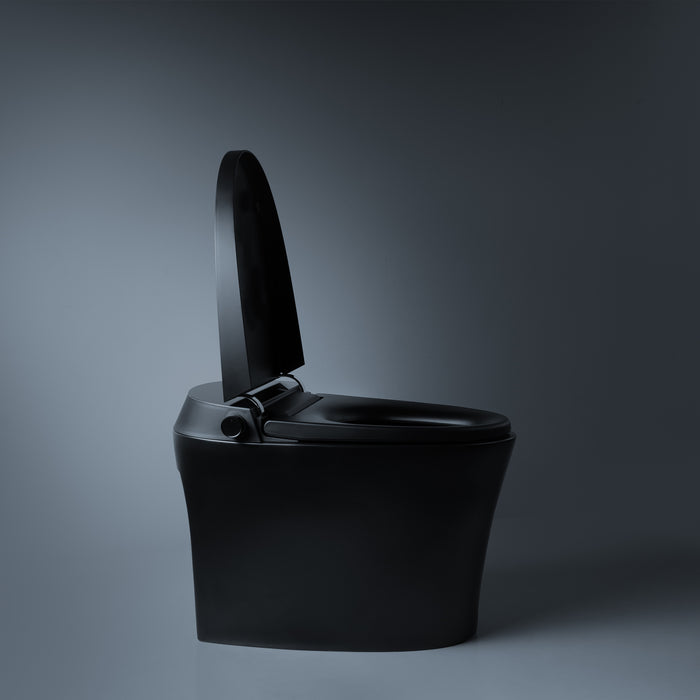
Alia's smart toilet with integrated bidet, the AG-ST1000, is priced at $3,300. The full smart toilet range sets out what is currently available.
What matters for a value assessment is what the price replaces. A smart toilet consolidates a toilet suite, a bidet function, a heated seat and a dryer into a single fixture, so comparing its price against a basic toilet alone understates what is included. Comparing it against a toilet plus a quality bidet seat plus installation gives a fairer picture.
What Does It Cost to Install a Smart Toilet?
Installation is where budgets are most often caught out, because a smart toilet has requirements a conventional toilet does not.
- A dedicated power supply, since the seat heating, dryer and control electronics all need mains power. The AG-ST1000 runs on a 240V AC Australian plug, so a licensed electrician is needed where no suitable powerpoint exists nearby
- Adequate water pressure, since integrated bidet functions need more pressure than a standard cistern fill. The AG-ST1000 specifies 600 to 800 kPa and a flow rate of 20 litres per minute, above the 500 kPa ceiling typical in Australian homes, so a booster pump may be required
- Correct rough-in alignment, with the AG-ST1000 specified at a 305mm drainage offset, which needs to match the existing waste position or be adjusted
- Adequate space and weight allowance, with the AG-ST1000 measuring 680 x 440 x 480mm and weighing 40kg
Installation labour rates vary by state, by trade and by the complexity of the specific bathroom, so a quotation on inspection is the only reliable figure. Pressure is the requirement most likely to catch out an otherwise straightforward installation, so it is worth confirming with a gauge reading before the fixture is ordered.
What Are the Ongoing Running Costs?
Running costs for a smart toilet are modest but real, and they sit across three areas.
Electricity is the main one, drawn continuously by seat heating and standby electronics, plus intermittently by the dryer and wash heating during use. The actual figure depends on how often the toilet is used, whether seat heating runs constantly or on a timer, and local electricity rates, so any specific annual dollar figure should be treated with caution unless it comes from a direct measurement of a particular household's usage.
Water use is generally comparable to a modern dual-flush toilet for flushing, with bidet washing adding a small additional volume per use. Against this, a smart toilet meaningfully reduces or eliminates toilet paper consumption, which is an ongoing household cost that a standard toilet does not offset.
Maintenance is typically limited to periodic nozzle cleaning, which many models automate, and occasional servicing of the electronic components over the fixture's life.
Local water quality plays a quiet role here too. Areas with harder water tend to see more mineral build-up on nozzles and internal components over time, which can shorten service intervals. Our guide on hard water vs soft water covers how much this varies across Australia, and it is worth factoring into expectations about long-term upkeep.
Who Gets the Most Value From a Smart Toilet?
The value case is not uniform. It is considerably stronger for some households than others, and being honest about this matters more than a blanket recommendation.
- Households with accessibility or mobility needs, where an integrated wash and dryer meaningfully supports independence and reduces reliance on assistance
- Anyone managing specific hygiene requirements, whether related to a medical condition, post-surgery recovery or personal preference
- Daily-use main bathrooms, where features get used multiple times a day and the cost spreads across genuine frequency of use
- Households already planning a bathroom renovation, since the electrical and plumbing work is far cheaper to include in existing works than to retrofit later
- Buyers who value the design consolidation, since an integrated fixture avoids the visually bulky look of a bidet seat retrofitted onto a standard pan
When Is a Smart Toilet Harder to Justify?
Equally worth saying plainly: there are situations where the price is difficult to defend on value grounds.
A rarely used guest or second bathroom sees too little use to spread the cost meaningfully. A rental property where the tenant turnover is high, and the fixture's features are not reflected in achievable rent, is another. And where no powerpoint exists nearby and switchboard work would be required, the installation premium can push total cost well past what the features are worth to that particular household.
A retrofitted bidet seat on an existing toilet is the middle-ground option in these cases, delivering the washing function at a much lower price point without the integrated design, heated seat quality or dryer performance of a purpose-built unit.
Do Smart Toilets Add Resale Value to a Home?
This question comes up often, and the honest answer is that it depends heavily on the property and the market. A smart toilet in a well-presented main bathroom contributes to the overall impression of a renovated, well-specified home, which is where its resale contribution genuinely sits.
Attributing a specific dollar increase in property value to a single fixture is not something any supplier can credibly claim, and buyers should treat such claims with scepticism. The more defensible position is that a smart toilet is one component of a bathroom that presents as current and considered, alongside tapware, basins and finishes.
Our guide on things to consider before buying a smart toilet with bidet covers the practical checklist worth working through before committing.
Why Alia Global's Smart Toilet Justifies Its Price
Alia's AG-ST1000 is priced at $3,300 and specified for daily use in a main bathroom, with a siphonic jet flushing system, a 305mm rough-in and a 40kg build that reflects a substantial ceramic body. The heated seat, warm air dryer and wash water temperature each adjust across six levels, so the fixture can be set to genuine personal preference across a real range of settings.
The specification sheet is published in full, including the 600 to 800 kPa pressure requirement and 20 L/min flow rate, which matters because it lets a plumber confirm suitability before the fixture is ordered, well ahead of installation day. That transparency is worth as much as any feature, since an unsuitable installation is where smart toilet purchases most often go wrong.
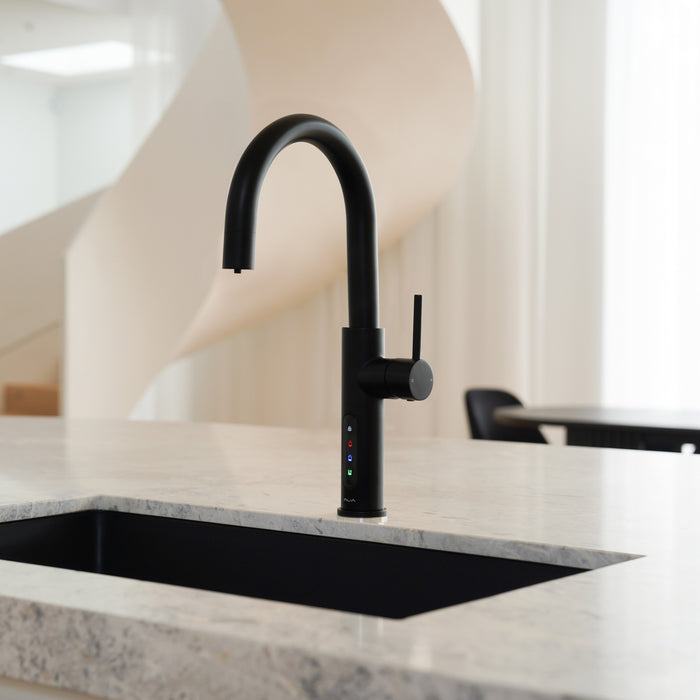
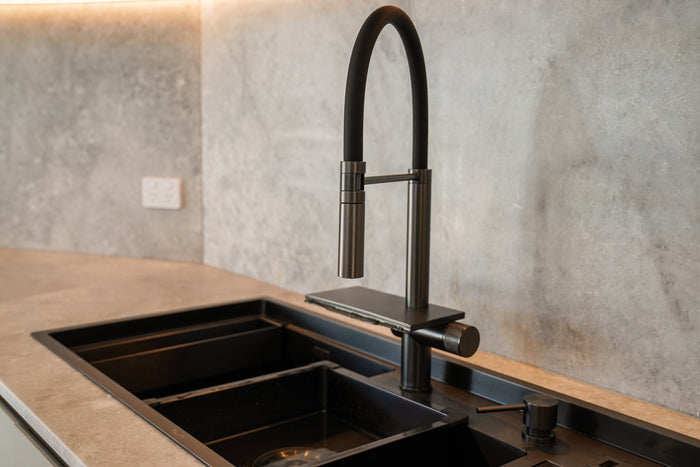
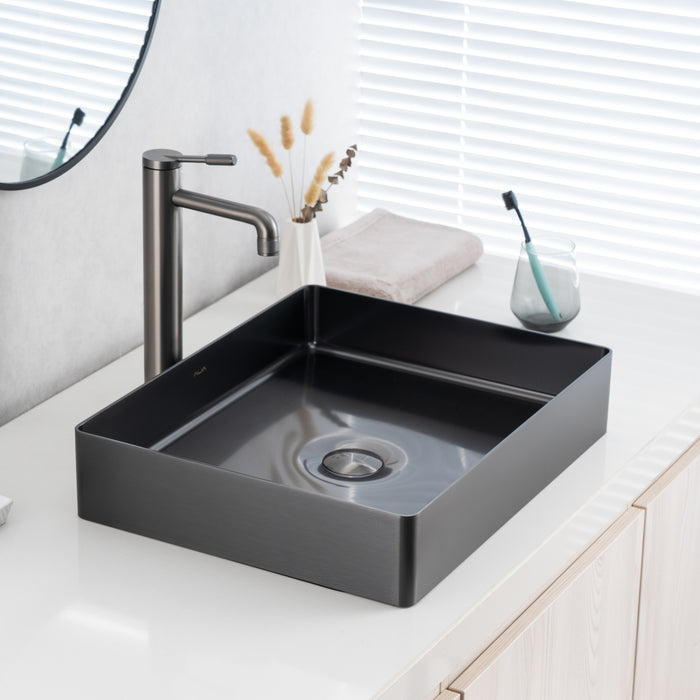
The same design approach carries across Alia's bathroom range, including its designer basins collection, where the stainless steel round basin and rectangular basin apply the same material and finish standards to the rest of the bathroom. For households upgrading more than one room at once, our guide on best kitchen upgrades for modern Australian homes covers the kitchen side of the same question, and the smart sink range extends the same integrated approach there.
The complete range can be browsed at aliaglobal.com.au.
Frequently Asked Questions
Are smart toilets worth it for a family home?
In a daily-use main bathroom, generally yes, since the features get used frequently enough to spread the cost meaningfully. In a guest bathroom used a few times a year, the same purchase is much harder to justify on value grounds alone.
Do smart toilets use more water than a regular toilet?
Flushing water use is broadly comparable to a modern dual-flush toilet, with bidet washing adding a small volume per use. Against this, a smart toilet substantially reduces toilet paper consumption, which is an ongoing cost a standard toilet does not offset.
What happens to a smart toilet during a power outage?
Most smart toilets retain manual flushing during a power cut, though the heated seat, dryer and wash functions are unavailable until power returns. Checking this specific behaviour against the model's manual before purchase is worth doing, since it varies between manufacturers.
Can a smart toilet be installed in any bathroom?
Not automatically. It needs a nearby power supply, adequate water pressure, and a drainage offset that matches the fixture's rough-in. Confirming these three points against the specific model's specification sheet before ordering avoids costly surprises.
Is a smart toilet better than adding a bidet seat to an existing toilet?
A bidet seat is significantly cheaper and delivers the core washing function, making it a sensible middle ground. A purpose-built smart toilet offers better integration, a cleaner appearance, and typically stronger dryer and seat heating performance, which is what the price difference buys.
A Purchase That Earns Its Price Through Daily Use
Whether a smart toilet is worth the price in 2026 depends far less on the headline figure than on where it will live and how often it will be used. In a main bathroom used several times a day, particularly where accessibility or hygiene needs are part of the picture, the features justify themselves quickly. In a spare bathroom, the same money is better spent elsewhere. Working through the installation requirements early, and being honest about frequency of use, is what separates a purchase that feels worth it from one that sits underused.


